


















Comprehensive comparative genomics of camelids identifies positive selection, structural variants, and gene losses driving desert adaptation
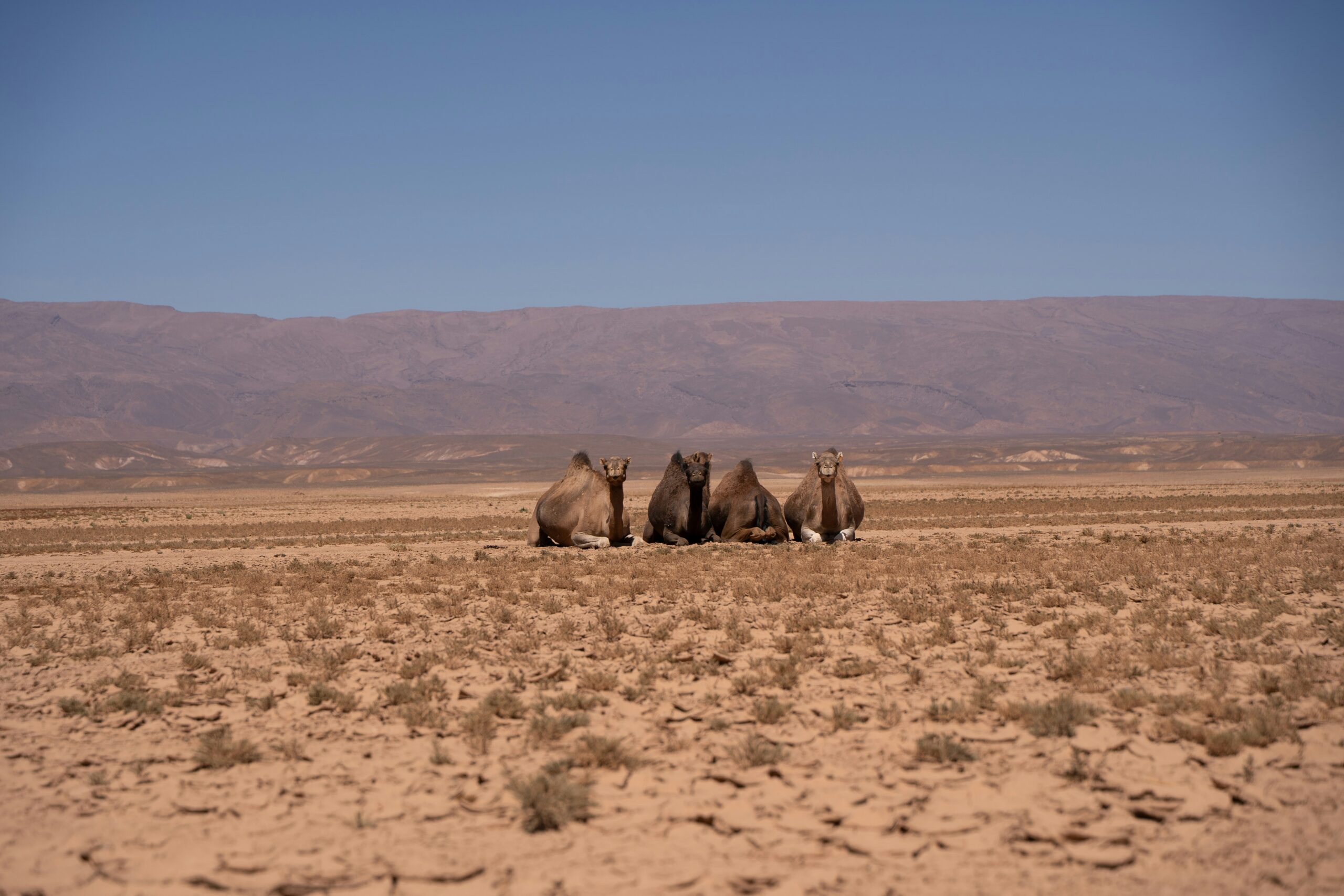
To uncover the genomic basis of camelid desert adaptation, researchers conducted a comparative genomic analysis across eleven mammalian species, including Old and New World camels. They identified significant copy-number changes in cytochrome P450 gene families, suggesting a shift toward anti-inflammatory signalling, alongside 47 positively selected genes in Old World camels. Notably, HACD3, a fatty acid elongation enzyme expressed in the kidney and liver, exhibited an ultraconserved substitution. Screening also revealed ten pseudogenized genes linked to lipid metabolism and epidermal pathways, while experimental assays confirmed that the TAS2R16 receptor is non-functional. Overall, this study maps gene family evolution, positive selection, and gene loss in camelids, while emphasizing that most functional and adaptive roles remain hypothetical and require further camel-specific experimental validation. Read the full article on Nature.