










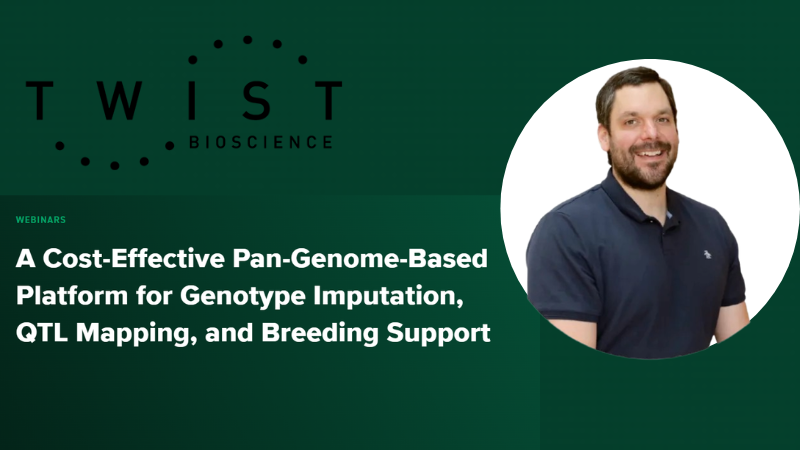
Pan-genome approaches are increasingly recognized as a solution to the limitations of linear reference genomes in genetically diverse populations. This webinar presents a cost-effective sequencing-based framework for genotype imputation, quantitative trait locus (QTL) mapping, and breeding support, with a focus on applications in agricultural genomics. The approach integrates pan-genome graph representations with...
NOVUS Releases Global Soybean Data, Highlights Risk Hidden in Poultry and Swine Diets
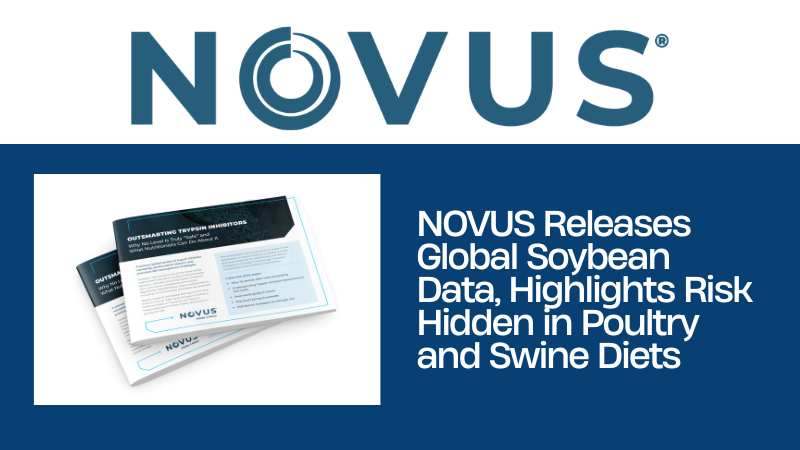
CHESTERFIELD, MO – Soybean meal is a mainstay of poultry and swine diets worldwide but variability in soybean quality creates hidden risks, both nutritionally for the animals and economically for producers. A new white paper from NOVUS draws on more than a decade’s worth of data to explain why trypsin inhibitor...
Meet the EAAP Industry Club: A Conversation with CJ BIO
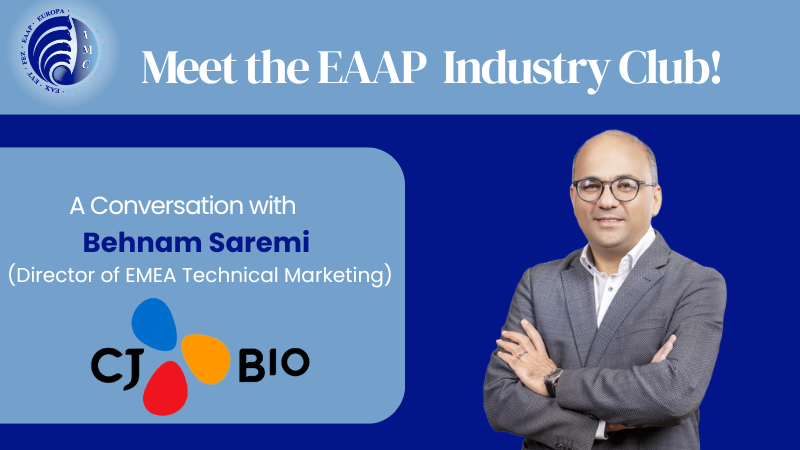
A new initiative has been launched to recognize and highlight companies driving innovation, research excellence, and sustainability across the livestock and animal science sectors. This series will feature conversations with industry leaders who are shaping the future of animal nutrition, health, welfare, and environmental stewardship. The series begins with an exclusive...
Short- and long-distance transport: health, survival and growth of preweaned dairy and dairy-beef cross calves
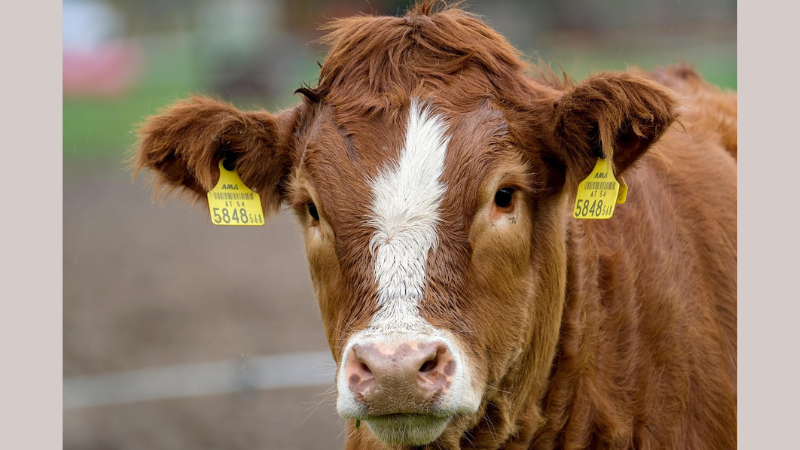
This retrospective observational study investigated the impact of transport duration—ranging from thirty minutes to twenty-four hours—on the survival, health, and weight gain of over 390,000 dairy and dairy-beef cross calves. Transported at an average age of just over three days, the calves demonstrated a very low initial mortality rate of 0.015% upon arrival at...
Questionnaire European Commission

The European Commission, led by DG AGRI, is preparing a new EU Agricultural Research and Innovation (R&I) Strategic Approach, planned for mid-2026. This Strategic Approach aims to secure the long-term competitiveness, sustainability and resilience of the EU’s agri-food sector, forestry and rural areas, and contribute to the objectives of the Vision for Agriculture...
Are You Getting What You Paid for with Your Trace Mineral Program?

For many in the dairy industry, organic trace minerals (OTMs) have become a standard part of the nutritional toolkit. They’re seen as a more available and absorbable alternative to inorganic trace minerals. But here’s the truth: not all OTMs are created equal. Due to the differences in OTM composition, there are differences in animal performance....
Outcomes of the 211th EAAP Council Meeting

On December 1st, 2025, the 211th EAAP Council meeting was held online. During the session, members discussed future editorial strategies, including potential publishers for the journal animal and publications for Animal Frontiers. The Council proudly highlighted the growth of the Industry Club, which has reached 19 members, and confirmed the...
30th EAAP Webinar: “Current and future challenges of dairy and beef cattle”
The 30th EAAP Webinar, titled "Current and future challenges of dairy and beef cattle", will be held on Tuesday, October 21st 2025, 15:00- 17.00 CE and is organised in collaboration with the EAAP Cattle Study Commission. Speakers & Topics: Massimo De Marchi – President of the EAAP Cattle Study Commission, University of Padova ...
31st EAAP Webinar: “Speaking to farmers and shepherds about livestock depredation”
The 31sth EAAP Webinar, titled " Speaking to farmers and shepherds about livestock depredation", will be held on Tuesday, December 9th 2025, 15:00 - 17:00 and in collaboration with the CoCo project – Co-creating Coexistence (EU-funded Horizon Europe project). Speakers & Topics: Introduction of Co-creating Coexistence (CoCo) and the CoCo webinar series, John Linnell,...
Winners of the CABI–EAAP Case Competition 2025
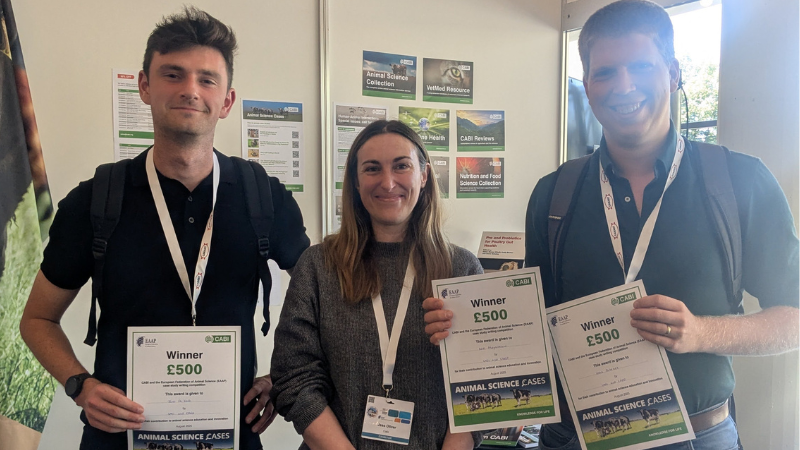
We are delighted to announce the winners of the CABI–EAAP Case Competition. The first prize (£500) was awarded to a team from KU Leuven (Belgium): Jaro De Kort, Roel Mayermans, and Inne Patteet, for their excellent case study: “Reducing the prevalence of complex heritable conditions through breeding: the critical role...