
















The NOVUS award has the goal to recognize the excellence in dairy research and innovation carried out by young scientists in the very different fields of application. The award is given by EAAP and ADSA every year and the winner is supported by NOVUS International to participate to the following...
Two new EAAP Newsletter translators!

Starting from Issue 262, two new translators have joined the activity of EAAP Newsletter Translation: Dan Rambu and Sanja Bogićević. Dan Rambu works at IBNA Balotesti integrating various analytical and microbiological techniques in a multidisciplinary approach, with a strong interest in developing microbial-based additives from characterization to production, focusing on...
Strengthening Collaboration between WPSA and EAAP

We are pleased to share some exciting news featured in the recent WPSA (World’s Poultry Science Association) newsletter. This newsletter, widely read by thousands of poultry researchers and industry stakeholders, highlights the successful collaboration between WPSA and EAAP (European Federation of Animal Science) at the 75th EAAP Annual Meeting. The...
The Success of the 75th Annual EAAP Meeting in Florence

The 75th Annual Meeting of the European Federation of Animal Science (EAAP) was nothing short of a success. Held in the heart of Florence, the event gathered around 2,000 participants, all united by their shared passion for advancing animal science. With 98 scientific sessions packed into the agenda, the event...
Reference database for cattle breed images
The FAO Division for Animal Production and Health is currently developing an AI-based software application to help identify cattle breeds in the field. The accuracy of the results will depend on the quantity and quality of the breed images. A large number of images per breed are required to train...
Distribution of honeybee mitochondrial DNA haplotypes in an Italian region where a legislative act is protecting the Apis mellifera ligustica subspecies
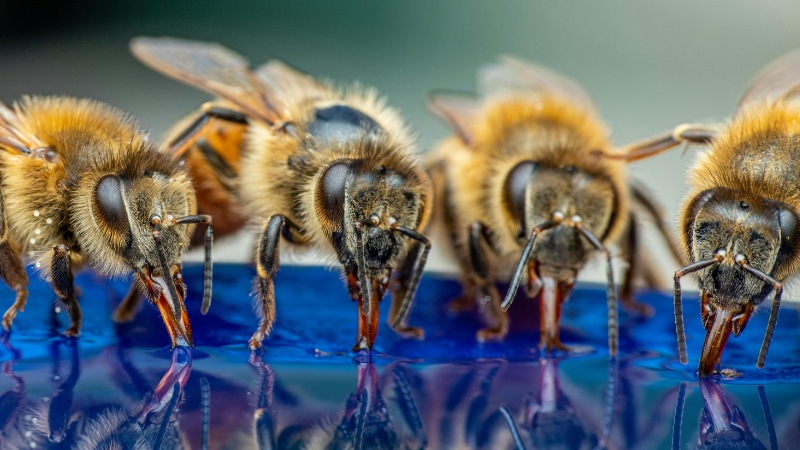
Apis mellifera Linnaeus, 1758, commonly known as the western honeybee or simply honeybee, is a highly polytypic managed pollinator species. About 30 honey bee subspecies have been described thus far, originally spread throughout its native regions, which include Europe, Africa and Western Asia1,2,3,4. Local honeybee populations and subspecies are considered well...
Celebrating the Election of Three New EAAP Council Members
The election by the General Assembly of three new Council members marks an exciting chapter for the European Federation of Animal Science (EAAP). Nikolaj Ingemann Nielsen from Denmark, with his strong background in animal science and the livestock industry, brings a wealth of experience and practical knowledge to the team....
Transforming aquaculture with insect-based feed: restraining factors
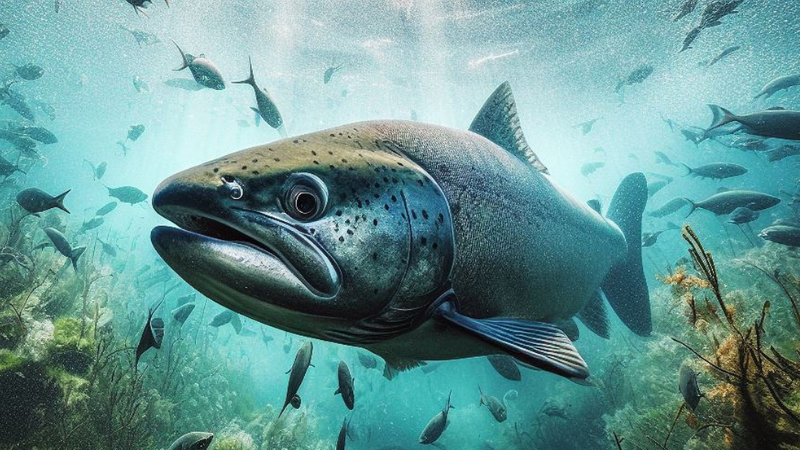
The use of insects as a sustainable protein source for animal feeds, particularly in aquaculture, dates back to the 1930s, but gained significant traction in the 1980s. While fishmeal dominated the feed industry for many years, overfishing and rising demand for aquaculture protein have led to a search for alternatives...
Passing the Torch: Isabel Casasús Hands Over EAAP Presidency to Joël Berárd

The European Federation of Animal Science at the recent Annual Meeting in Florence witnessed the passing of leadership from Isabel Casasús to the new President, Joël Berárd. Isabel's four-year tenure was marked by significant challenges, particularly as she assumed her role during the difficult period of the COVID-19 pandemic. Despite...
Greenhouse gas emissions in US beef production can be reduced by up to 30% with the adoption of selected mitigation measures

Greenhouse gas (GHG) emissions from beef production in the U.S. are highly variable across different regions and stages of the supply chain, making targeted mitigation difficult. Using spatial life cycle assessment methods, researchers have quantified emissions and identified 42 practices that could reduce GHGs by up to 30%. The grazing...